HomePUBLICATIONSSudan: Sexual exploitation and conflict-related sexual violence against women and girls in Tawila IDP Camp in North DarfurSudan: Sexual exploitation and conflict-related sexual violence against women and girls in Tawila IDP Camp in North Darfur08 Jun 08JunBackgroundSudan continues to experience one of the world’s most severe humanitarian and human rights crises following the outbreak of armed conflict between the Sudanese Armed Forces (SAF) and the Rapid Support Forces (RSF) in April 2023. The conflict has resulted in the displacement of millions of civilians, the destruction of civilian infrastructure, and the collapse of essential public services across large parts of the country.Darfur remains among the regions most severely affected by the conflict. Repeated attacks on civilian populations, including in El-Fasher and surrounding localities, have forced hundreds of thousands of people to flee their homes and seek refuge in overcrowded displacement camps. The deterioration of security conditions, limited humanitarian access, and inadequate protection mechanisms have significantly increased the vulnerability of women and girls.Throughout the conflict, local and international human rights organizations, United Nations agencies, and humanitarian actors have documented widespread sexual and gender-based violence (SGBV), including rape, gang rape, sexual slavery, sexual exploitation, forced marriage, and other forms of conflict-related sexual violence. Women and girls displaced by the conflict face heightened risks both during flight and within displacement settings, where dependence on humanitarian assistance and the absence of effective accountability mechanisms can create conditions conducive to exploitation and abuse.Against this backdrop, the African Centre for Justice and Peace Studies (ACJPS) documented allegations of sexual exploitation and abuse involving individuals associated with humanitarian operations in Tawila locality, North Darfur. The findings indicate that access to humanitarian assistance and employment opportunities may have been manipulated to coerce women and girls into providing sexual favours.Details of sexual exploitation and abuse linked to humanitarian assistance and employment opportunitiesAccording to information collected by ACJPS from internally displaced persons (IDPs) residing in Tawila camp, women and girls reported incidents in which individuals working for humanitarian organizations allegedly attempted to exploit their positions by demanding sexual favours in exchange for humanitarian assistance, registration for aid programmes, employment opportunities, or supervisory roles within camp structures.Interviewees reported that such practices have created an environment of fear and vulnerability among displaced women and girls who depend on humanitarian assistance for survival. Several survivors stated that many incidents remain unreported due to concerns that complaints could result in exclusion from aid distributions or retaliation by those responsible.Some community members further alleged that employees associated with organizations operating in Tawila, including staff linked to local and international humanitarian actors, have been implicated in these practices. ACJPS has withheld the names of organizations and alleged perpetrators to protect survivors and pending verification of individual responsibility.Victim testimoniesThe testimonies collected by ACJPS indicate a pattern in which women displaced by conflict are allegedly being targeted because of their economic vulnerability and dependence on humanitarian assistance and employment opportunities.Ms. Fatima (pseudonym), a displaced woman residing in Tawila camp, told ACJPS that she and three friends sought registration with a humanitarian organization to access food and other assistance. According to her testimony, an employee instructed the group to return later in the day to complete the registration process. When they returned, she was separated from her companions and taken into another office by a staff member. The employee informed her that registration had been suspended, but suggested that he could arrange for her registration to proceed. Fatima stated that the employee subsequently requested sexual favours in exchange for facilitating her registration. She immediately refused and left the office. She later warned her friends not to enter the office and reported the incident to a community leader. However, according to her account, no action was taken.ACJPS documented more than ten (10) allegations of similar sexual extortion and exploitation involving women and girls in Tawila camp between December 2025 and April 2026. Community members indicated that additional incidents may have gone unreported.Ms. Hawa (pseudonym), a 28-year-old displaced woman originally from El-Fasher, reported that she applied for employment with a humanitarian organization in Tawila in February 2026. During the application process, the staff member responsible for recruitment informed her that available positions were limited and that there was significant competition among applicants. According to Hawa, the employee then explicitly stated that obtaining the position would require a sexual relationship with him. Hawa rejected the proposition and immediately left the organization’s premises.ACJPS documented a similar account from Mona (pseudonym), who travelled from Nyala to Tawila seeking employment opportunities. After submitting an application to a humanitarian organization, she was allegedly instructed to return later in the day. When she did so, the staff member handling applications informed her that engaging in sexual relations with him was a prerequisite for progressing to the interview stage. Mona rejected the demand and left the office.Pregnancies resulting from conflict-related sexual violenceMedical sources in Tawila camp informed ACJPS that at least twelve women and girls who survived rape became pregnant while fleeing violence in and around El Fasher following attacks by RSF forces. According to the sources, the pregnancies were identified during examinations conducted in January and February 2026. The rapes reportedly occurred in the locality of Qarni during November and December 2025 as civilians attempted to escape ongoing hostilities.The affected women and girls are reportedly in the final stages of pregnancy and are living under extremely difficult conditions. Sources reported significant gaps in access to reproductive healthcare, maternal services, psychosocial support, and protection assistance.In January 2026, ACJPS documented eight cases involving women and girls who had become pregnant as a result of rape and who were then approaching the final months of pregnancy. The newly documented cases suggest that the number of survivors facing pregnancy resulting from conflict-related sexual violence continues to increase.Conclusion The allegations documented by ACJPS raise serious concerns regarding sexual exploitation and abuse within humanitarian settings, as well as the broader pattern of conflict-related sexual violence occurring throughout Darfur.International human rights law, international humanitarian law, and humanitarian protection standards prohibit all forms of sexual exploitation and abuse. Humanitarian actors have a duty to ensure that assistance is delivered without discrimination, coercion, or abuse of power. Demanding sexual favours in exchange for aid, employment, registration, or services constitutes a grave abuse of authority and may amount to sexual exploitation.The reported rapes and resulting pregnancies also underscore the continuing use of sexual violence against women and girls during the Sudan conflict and highlight the urgent need for survivor-centred responses, including access to healthcare, psychosocial support, legal assistance, and protection services.Recommendations 1. ACJPS calls upon humanitarian organizations operating in Darfur to conduct immediate and independent investigations into allegations of sexual exploitation and abuse, strengthen safeguarding mechanisms, and ensure confidential reporting pathways for survivors.2. ACJPS further urges Sudanese authorities, United Nations agencies, donors, and international humanitarian actors to expand access to comprehensive medical care, reproductive health services, psychosocial support, and protection assistance for survivors of sexual violence.3. The international community should support efforts to document violations, preserve evidence, and ensure accountability for perpetrators of conflict-related sexual violence and sexual exploitation and abuse committed against displaced women and girls in Sudan. SGBV in Sudan Conflict-related sexual violence in Sudan Sudan war 04Jan النزاع المسلح في السودان: حرب على أجساد النساء 10Jan Sudan: 22 civilians killed as a result of Airstrikes by the Sudanese Army in Nyala, South Darfur 11Jan Al-jazeera state: 26 men arbitrarily arrested and allegedly killed by the Military Intelligence Unit in Wad Madani Comments
المادة المؤرشفة
المحفوظ هنا ملخّص المادة لا نصها الكامل. الرابط الأصلي هو المرجع.
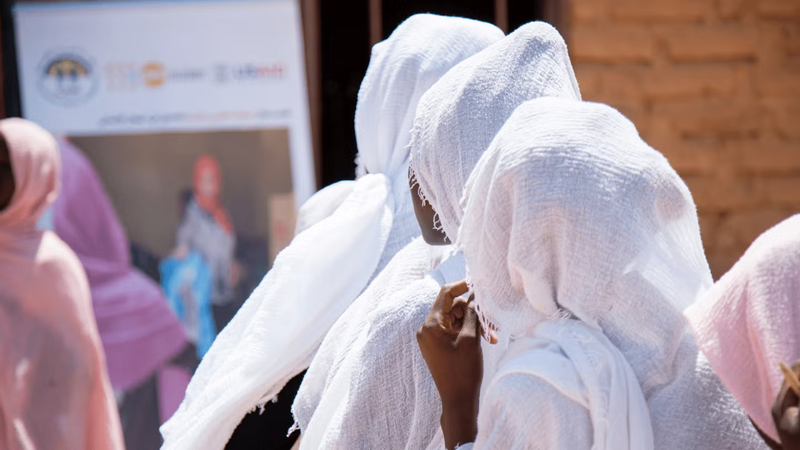
According to information collected by ACJPS from internally displaced persons (IDPs) residing in Tawila camp, women and girls reported incidents in which individuals working for humanitarian organizations allegedly attempted to exploit their positions by demanding sexual favours in exchange for humanitarian assistance…
- عدد الكلمات
- 1٬237
- زمن قراءة تقديري
- 7 دقيقة
- صور محفوظة
- 1
النص المؤرشف 9٬104
لماذا هذه الدرجة؟
كل سطر مؤشر طابقته المنظومة حرفيًا في النص، بوزنه المعلن مسبقًا في قاموس الموضوعات.
priority = 22 (topics) + 5 (bonuses) = 27 · risk = min(100, 27 x 4 + 8) = 46
-
+9
عنف قائم على النوع women
Sudan: Sexual exploitation and conflict-related sexual violence against women and girls in Tawila IDP Camp in North Darfur According to information collected by ACJPS …
-
+7
الحق في الصحة health
…tremely difficult conditions. Sources reported significant gaps in access to reproductive healthcare, maternal services, psychosocial support, and protection assistance.In January 2026, …
-
+6
حقوق العمل strike
…لمسلح في السودان: حرب على أجساد النساء 10Jan Sudan: 22 civilians killed as a result of Airstrikes by the Sudanese Army in Nyala, South Darfur 11Jan Al-jazeera state: 26 men arbitrarily a…
-
+5
إشارة عاجلة urgent
…se of sexual violence against women and girls during the Sudan conflict and highlight the urgent need for survivor-centred responses, including access to healthcare, psychosocial support…
الموضوعات الحقوقية بأوزانها
الوزن هو نقاط الموضوع في قاموس التصنيف، وهو ما يُبنى عليه مجموع الأولوية.
- عنف قائم على النوع women 9
- الحق في الصحة health 7
- حقوق العمل strike 6
كيانات المادة داخل الأرشيف
الرقم بجانب كل كيان هو عدد المواد التي ورد فيها داخل الأرشيف كله.
شبكة العلاقات
لا توجد مواد مطابقة بعد؛ هذه كيانات المادة كما استخرجتها المنظومة.
- مادة
- منظمة
- مكان
العلاقات نفسها كقائمة
الكيانات المستخرجة
- African Centre منظمة
- Military Intelligence Unit منظمة
- RSF منظمة
- Rapid Support Forces منظمة
- SAF منظمة
- Sudanese Armed Forces منظمة
- Sudanese Army منظمة
- Darfur مكان
- El Fasher مكان
- North Darfur مكان
- Nyala مكان
- South Darfur مكان
و12 من أصل 15 كيانًا. الرسم يقتصر على أقوى العلاقات كي يبقى مقروءًا.